Hot Air: Filmmaker Regina Schilling
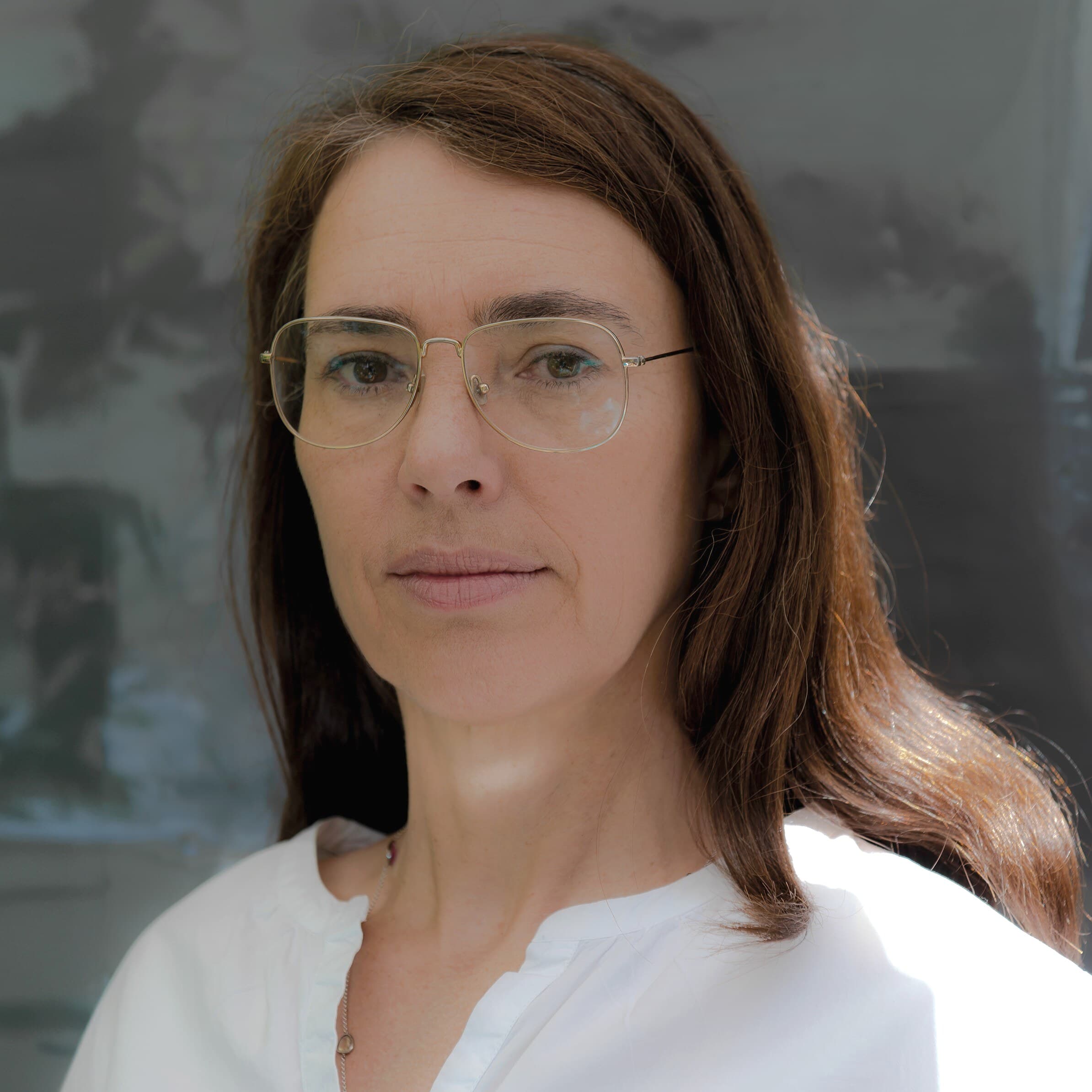
Filmmaker Regina Schilling is a great person to talk to about all of the above. An unusual voice in film, she had her first child aged 18, then pursued a big career in publishing — only to give it all up in order to become a filmmaker at 35. Regina’s widely celebrated and very personal essay film Kulenkampffs Schuhe (2018) revisits the repressed post-war traumas silently present in German game shows in the 60s and 70s. In this issue, Regina speaks candidly to Jannik Schäfer about her work, her process, and her creative struggle.
LITERATURE, FILM AND FIRST STEPS
Jannik Schäfer: Today you’re a well-known filmmaker, but you started out in literature. You got a degree and had a real career going in publishing. Start us off at the beginning, how did you end up here?
Regina Schilling: I definitely come from language, from the word. I always wanted to work at a publishing house and the most interesting one at that time in Cologne was Kiepenheuer und Witsch. After graduating, I began working my way through the departments, starting as an intern and later becoming a temp. I really threw myself into it — you could say I clawed myself into the company. In the beginning, I could only picture myself as an editor. I thought that’s all there is in publishing. After a few detours, I ended up working in public relations. That was when I started thinking in a journalistic way, through stories. The idea of directing and making films wasn’t really on my mind back then.
Before we talk about why you left , would you do anything differently today?
If I had a second life, I would try to study film. I was actually still at school when I became a mother. Then I finished school and studied literature at university, in order to become a teacher. I was being very pragmatic. With small children at home, I thought it would be better to be able to spend afternoons with them. I never tried to make my big creative dreams come true back then because I slipped into the realities of motherhood at such an early age. I just kept postponing the other dreams. I got there in the end – despite having taken detours, despite not having believed in myself. I think it’s important to know there are alternatives to the straight path.
You did get there in the end — what led to the late change of career?
After eight years at Kiepenheuer und Witsch I felt this urge for more freedom. I didn’t want to have to go to the office in the mornings. When you’re in PR, you’re made out of glass. You’re a medium. You have a really strong connection to writers and journalists but they all pass right through you. I enjoyed doing the work a lot, but at a certain point I felt burned out. I wanted to create something for myself. There was this creative calling inside of me that became so loud I started feeling unhappy, in 1996, ’97.It took me one or two years to actually leave because it was such a sought-after job. Everyone told me: “You’re crazy.This is a well-paid job. And now you want to start working as a freelancer!?”
Continue reading in presentOS